
Can Men Wear Shorts to Work?
This conversation started on BBC Breakfast. Is it acceptable for men to wear shorts to work? I was asked to give my professional opinion and the BBC took a soundbite…

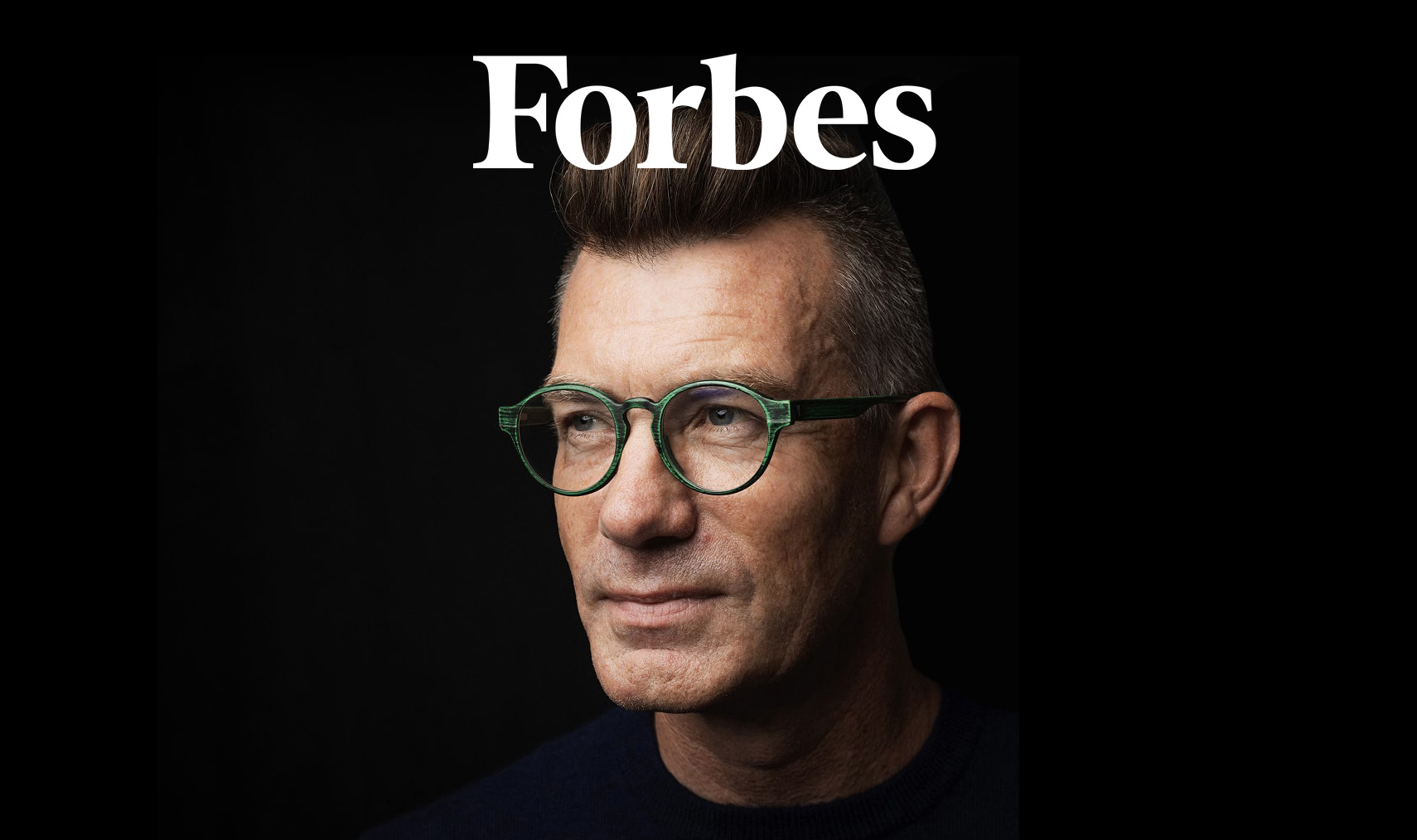
*This post was inspired by a recent feature in Forbes magazine, written by Kate Hardcastle MBE, one of the UK’s leading consumer experts, Forbes contributor, and broadcaster across BBC, ITV and Sky News. Kate spent time talking with me about the evolution of personal styling, the shift from dressing moments to building legacies, and why the role of the stylist has moved from backstage to centre frame. You can read the full Forbes article here: [The Power-Stylist Has Become Fashion’s Latest Must Have](https://www.forbes.com/sites/katehardcastle/2026/05/26/the-power-stylist-has-become-fashions-latest-must-have/).*
—–
There is a conversation happening at senior levels about image, and it is more strategic than most people realise.
The Forbes piece by Kate Hardcastle frames it through the lens of celebrity. Law Roach and Zendaya, Harry Lambert and Harry Styles, the 2026 Met Gala generating 1.696 billion video views. But the shift she is describing is not really about celebrity. It is about a broader change in how image functions for anyone operating at a level where visibility matters and reputation is an asset.
That includes executives. It includes founders. It includes anyone whose first impression carries commercial weight.
I have been styling professionally since 1997. What has changed is not the fundamentals of the work, which have always been about identity, context and communication. What has changed is that the men who need this work most are now arriving with a clearer understanding of why they need it.
—–
For a long time, personal styling was associated with red carpets, photoshoots and public figures whose livelihood depended on how they photographed. That framing undersold it then, and it significantly undersells it now.
As I told Kate for the Forbes piece: “We’re not decorating moments anymore, we’re constructing legacies.”
That line applies directly to the men I work with in boardrooms and broadcast studios, not just on red carpets. Every appearance contributes to a visual archive that shapes how you are perceived long before you speak. A keynote, a media interview, a client meeting, a panel. The question is whether that archive is working for you or simply accumulating by accident.
Most men operating at senior level have never had a serious conversation about this. They have excellent suits, possibly expensive ones, and they are not without taste. But taste and strategy are different things. One is personal preference. The other is deliberate communication.
—–
The most useful distinction I draw with clients, and one that Kate picked up on in our conversation, is between image and identity.
Image is the surface. Anyone with a good eye and a decent budget can assemble a presentable image. Identity is the architecture beneath it: the coherence, the continuity, the sense that every choice reinforces the same clear message about who this person is and where they are going.
Men who are stepping into greater visibility need identity work, not just image work. Whether that is a new role, a public facing position or a shift from operator to authority figure, the difference shows in longevity. Image creates a good first impression. Identity creates consistent credibility.
That is the part of this work that genuinely transforms careers. It is also the part that cannot be outsourced to a personal shopper or a well organised wardrobe.
—–
One of the questions Kate raised in the Forbes piece was about off duty appearances. The airport arrivals, the coffee runs, the moments that used to feel inconsequential and now travel as fast as any formal appearance.
My answer is not to style every waking hour. That is neither sustainable nor convincing. The answer is wardrobe architecture: building a set of defaults so well considered that when you are caught off guard, you still look intentional.
Three excellent jackets. The right trouser cuts. Fit standards that do not slip. A small number of pieces that work under studio lighting, in daylight, and at pace.
The distinction I draw is between strategic impact and sustainable consistency. Red carpet dressing is designed to be seen. Off duty dressing is designed to never look wrong. Both require deliberate thinking. The engineering happens in the wardrobe, not in daily decisions.
For the men I work with, this matters because their visibility is not confined to scheduled appearances. A breakfast meeting, a chance encounter, a photograph someone else takes and posts. All of it is live. The wardrobe has to hold.
—–
There is a reason the Forbes piece positions the personal stylist as fashion’s latest must have rather than its longest running one. The culture has caught up.
Ten years ago, I had to make the case to male clients that image was strategic. Now they arrive having already made that case to themselves. What they want is the expertise to act on it properly.
Part of what has driven this is visibility. As Kate writes in the piece, the behind the scenes process, the fitting, the thinking, the choices and the reasoning behind them, now has as much narrative value as the finished look. Men watching that process, whether through social content or media coverage, are connecting the dots between how someone presents and how they are received.
Ben Shephard talked publicly about how professional styling shifted how viewers responded to him. Not because he looked dramatically different, but because he looked like the authority he already was. That is a precise description of what well executed identity work does.
It closes the gap between who you are and how you come across.
—–
For the men I work with at executive and senior professional level, my mens executive styling services are straightforward, discreet and entirely client centred.
It starts with a consultation to understand who they need to be in their next chapter, what they are communicating in which contexts, and where the current gaps are between intention and perception. From there I build a wardrobe strategy rather than a shopping list: fit standards, quality benchmarks, a coherent visual language that works across the different demands of their professional life.
Some clients are preparing for a specific transition: a new role, a media profile, a shift into greater public visibility. Others are at a point in their career where the stakes have quietly risen and their wardrobe has not kept pace. Both are straightforward to address. Neither requires a dramatic overhaul or anything that feels out of character.
As I said to Kate: “My job is finding where the authentic version and the strategic version overlap.” That overlap is almost always larger than clients expect—and it is often where the most effective mens executive styling services deliver the greatest impact.
—–
It takes less than a second for someone to form a first impression from appearance alone. That judgement is made before you speak, before you pitch, before you make your case. Competent or not, trustworthy or not, worth listening to or not. It is also, as the research consistently shows, very difficult to reverse once made.
For men operating at a level where those first impressions carry real commercial and reputational weight, the question is not whether image matters. The question is whether yours is working as hard as everything else you bring to the room.
If you are not certain of the answer, that is probably the answer.
—–
*I work with executives, founders and senior professionals across the UK on personal styling, wardrobe strategy and visual communication. If you would like to explore working together, you can find out more at [philltarling.com](https://philltarling.com).


